

Looking for the best email marketing tools and strategies in 2026? Our guide covers email marketing platforms, timing tips, automation best practices, and why Kit.com is a top choice for creators and businesses.
Introduction
Let’s be honest: social media algorithms change faster than most people update their passwords. One day your post reaches thousands; the next, barely a hundred see it. That’s exactly why email marketing remains the unsung hero of digital marketing—and why businesses that treat it seriously keep winning.
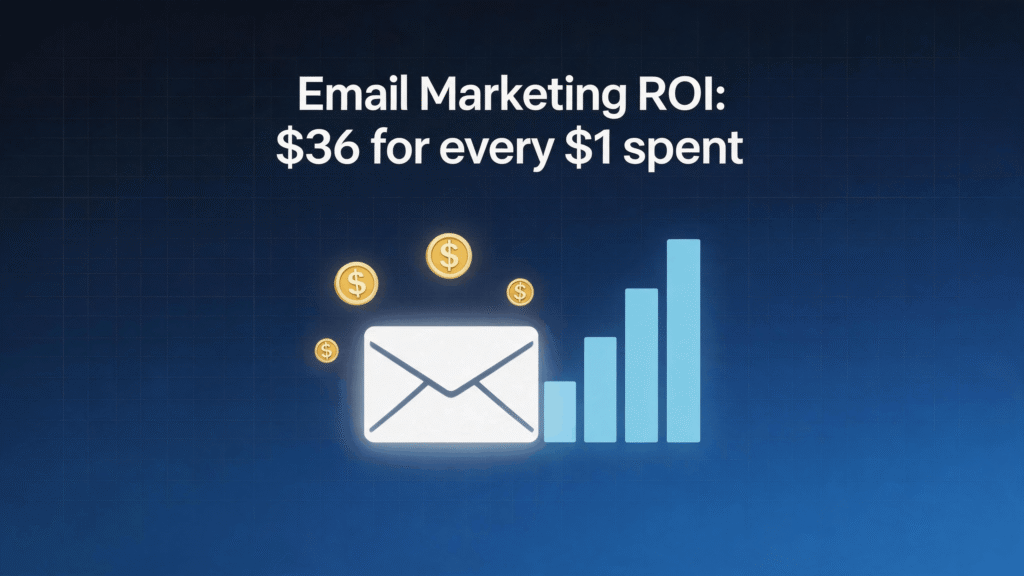
Here’s the reality check: for every $1 spent on email marketing, you can expect an average return of $36. That’s a 3,600% ROI that makes most marketing channels look like pocket change. No wonder smart creators and businesses treat their email list like gold.
But here’s the problem: most people don’t know where to start. They sign up for the first email tool they find, send generic newsletters into the void, and wonder why their open rates hover around 15%.
I’ve been there. After years of testing different email marketing platforms, I’ve found that the right tool combined with the right strategy makes all the difference. That’s why I keep coming back to Kit.com—it’s designed for creators who want to grow their audience without getting bogged down in tech complexity.
Whether you’re selling handmade goods, running a consulting business, or building a content empire, this guide will walk you through everything you need to know about email marketing in 2026. From understanding the fundamentals to mastering advanced automation, we’ve got you covered.
Think of this as your complete email marketing playbook—the resource you’ll bookmark and return to as your business grows. Let’s dive in.
What Is Email Marketing & Why Does It Still Matter?
Email marketing is the practice of sending targeted messages to a group of subscribers who’ve given you permission to contact them. It’s direct, permission-based communication that lands right in someone’s inbox—no algorithm standing between you and your audience.
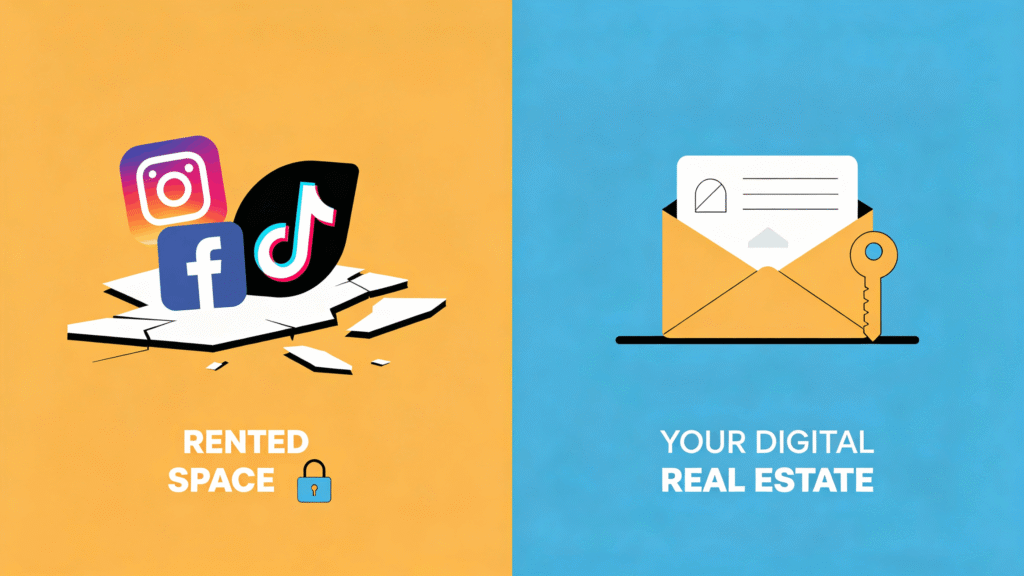
Think of it like this: when you post on Instagram, you’re renting space on someone else’s property. They make the rules, they can change the terms anytime, and if they shut down tomorrow, so does your audience connection. Email? That’s owning a piece of digital real estate that you control completely.
Why Email Outperforms Social Media
- Ownership: Your subscriber list is yours forever. Change platforms? Your list comes with you.
- Personalization: You can segment and target with precision that social media can only dream of.
- Conversion rates: Email converts at 3-4x the rate of social media for most industries.
- Longevity: A well-crafted email keeps working. A social post has a lifespan of hours.
The businesses winning in 2026 aren’t choosing between email and social media—they’re using both, with email as the foundation for sustainable, predictable revenue.
Building Your Email List: Quality Over Quantity
Before you can send great emails, you need great subscribers. Building an email list isn’t about collecting as many addresses as possible—it’s about attracting the right people who actually want to hear from you.
Lead Magnets That Work
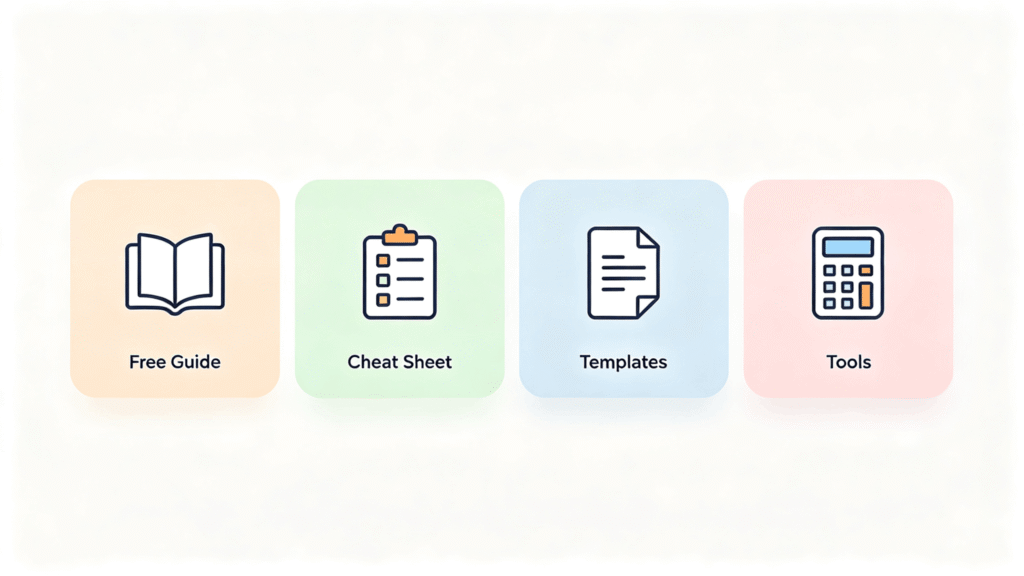
The most effective way to grow your list is offering genuine value in exchange for email addresses. Some proven lead magnets include:
- Free guides and ebooks: Comprehensive resources that solve specific problems
- Checklists and cheat sheets: Quick, actionable takeaways
- Templates and swipe files: Ready-to-use resources that save time
- Free tools or calculators: Interactive elements that provide immediate value
- Exclusive content or early access: Make subscribers feel like VIPs
Where to Place Signup Forms
Your lead magnet is only half the battle. You need strategically placed signup forms throughout your digital presence:
- Website popups: Timed to appear when a visitor shows engagement signals
- Landing pages: Dedicated pages focused solely on conversion
- Blog posts: Inline forms within content for relevant topics
- Social media: Link-in-bio and targeted ads
- Podcasts and videos: Mention and link to your lead magnet
The Segmentation Foundation
Start thinking about segmentation from day one. Ask yourself: how will I divide this list into meaningful groups? The fields you collect during signup matter. Beyond just email and name, consider:
- Industry or job title (for B2B)
- Purchase history or interests (for B2C)
- How they found you
- Their primary goal or challenge
This upfront thinking pays dividends later when you’re crafting targeted campaigns that actually resonate.
Email Marketing Best Practices 2026
Email marketing isn’t complicated, but it does require following some ground rules. Here are the email marketing best practices 2026 that actually move the needle:
Personalization Is Non-Negotiable
Nobody wants to feel like one of 10,000 names on a list. B2B email marketing best practices especially demand relevance—sending the right message to the right person at the right time.
Simple personalization wins:
- Use the subscriber’s first name (but don’t overdo it)
- Send content based on their interests or behavior
- Reference past purchases or interactions
Segmentation Is Your Superpower
Imagine walking into a restaurant and the waiter asks, “Are you vegetarian, vegan, or do you eat everything?” That’s segmentation. It helps you serve the right meal to the right person.
For best practices for email marketing, start with basic segmentation:
- New subscribers vs. long-time readers
- Purchasers vs. non-purchasers
- Engaged vs. disengaged subscribers
Mobile Optimization Is Mandatory
Over 60% of emails are opened on mobile devices. If your emails look like a jumbled mess on phones, you’re losing readers fast. Keep your design simple, use a single-column layout, and make your buttons thumb-friendly.
Clear, Compelling CTAs
Every email should have one clear action you want the reader to take. Don’t clutter your message with five different links. Pick one goal per email and make your call-to-action impossible to miss.
Choosing the Best Email Marketing Software
Not all email marketing software is created equal. The best email marketing providers share certain characteristics that make them worth your investment:
What to Look For
1. Drag-and-Drop Editor
You shouldn’t need a degree in design to create beautiful emails. Look for builders that let you simply drag elements where you want them. Most top platforms offer this now, but quality varies.
2. Automation Capabilities
The real power of email marketing isn’t sending one-off broadcasts—it’s automated sequences that nurture subscribers while you sleep. The best email marketing software should let you set up triggers based on subscriber actions.
3. Deliverability Rates
What’s the point of crafting the perfect email if it lands in spam? Top-tier platforms invest heavily in infrastructure that keeps your emails out of the junk folder.
4. Pricing That Scales
Starting is easy, but as your list grows, costs can spiral. Look for platforms with fair pricing tiers that don’t punish growth.
Best Email Marketing Software for Ecommerce
Running an online store? Your email needs are specific:
- Abandoned cart sequences (this alone can recover 5-15% of lost sales)
- Product recommendation emails
- Post-purchase follow-ups
- Integration with your Shopify, WooCommerce, or other platform
The best email marketing software for ecommerce handles these workflows out of the box. Look for native integrations with your store platform.
Best Email Marketing Software for Real Estate
Real estate professionals need:
- Lead nurturing sequences (most leads don’t buy for months)
- Market update newsletters
- Property-specific campaigns
- CRM integration
Some platforms cater specifically to real estate with property search integrations and listing auto-population features.
Best Cold Email Marketing Software
Cold email is a different beast entirely. You need:
- Higher sending volumes
- Better inbox placement
- Sequencing tools
- Warm-up features
The best cold email marketing software separates cold outreach from your main subscriber communications to protect your sender reputation.
The Best Email Marketing Platforms 2026
After testing dozens of platforms, here’s my honest breakdown of the top email marketing platforms 2026:
1. Kit — Best for Creators & Subscriber Growth
If you’re building an audience and want to monetize through email, Kit should be your first call. Here’s why it stands out:
- Generous free plan: Start with unlimited emails to 1,000 subscribers—very few competitors offer this
- Creator-focused features: Built specifically for creators selling courses, products, or services
- Powerful automation: Visual automation builder makes complex sequences accessible
- Clean interface: No learning curve, even for beginners
Starting at $39/month when you’re ready to scale, Kit balances power with simplicity better than almost anyone. It’s the platform I recommend to every creator starting their email journey.
2. MailerLite — Great Value, Solid Features
MailerLite has carved out a reputation as the affordable option that doesn’t skimp on features. The drag-and-drop editor works well, automation covers most needs, and pricing stays reasonable even as you grow. Best for: bloggers and small businesses watching their budget.
3. Brevo (formerly Sendinblue) — All-in-One Approach
Brevo bundles email with SMS marketing and chat, making it attractive if you want fewer tools to manage. The automation has improved significantly. Best for: businesses wanting to consolidate their marketing stack.
4. ActiveCampaign — Power User Heaven
If you want maximum control and customization, ActiveCampaign delivers. The automation possibilities are almost endless, and the CRM features are surprisingly robust. Best for: marketers who want to dive deep into segmentation and automation.
5. HubSpot — Enterprise-Grade
HubSpot’s email marketing is part of a massive marketing ecosystem. The integration with their CRM is seamless, but pricing reflects the enterprise focus. Best for: larger businesses with complex needs and bigger budgets.
6. beehiiv — Built for Newsletter Creators
beehiiv has emerged as a strong contender for newsletter-based businesses. With features designed specifically for newsletter monetization, including built-in referral programs and native ad integration, it’s worth considering if your email strategy centers on content newsletters. Best for: newsletter-first creators looking to monetize through subscriptions.
7. Moosend — Simple and Affordable
Moosend keeps things straightforward without overwhelming new users. The automation templates are practical and the reporting is clean. Best for: beginners wanting an uncomplicated experience.
Email Marketing Campaigns That Actually Convert
The difference between email marketing that works and email marketing that wastes everyone’s time comes down to campaign strategy. Here are the best email marketing campaigns you should be running:
Welcome Sequences
First impressions matter. Your welcome sequence introduces new subscribers to who you are and what you offer. Studies show that welcome emails have 4-5x higher open rates than regular newsletters. A solid welcome flow typically includes:
- A warm welcome email (send within minutes of signup)
- Your best content or a valuable freebie
- Social proof (customer testimonials, impressive numbers)
- A soft pitch for your main offer
Nurture Campaigns
Not everyone is ready to buy on day one. Nurture sequences build relationships and trust over time. Think of it like dating before marriage—you’re proving you’re worth the commitment. Effective nurture campaigns deliver value first, sell second. Give more than you ask for, and the conversions will follow.
Promotional Campaigns
When you have something to sell, your promotional emails should be:
- Clear about the offer (no vague messaging)
- Time-sensitive (create genuine urgency)
- Easy to act on (one-click checkout if possible)
The best promotional emails feel like recommendations from a friend, not pushy sales pitches. Tell a story, share your reasoning, and let people make their own decision.
Re-Engagement Campaigns
List gotten stale? Re-engagement campaigns try to wake up dormant subscribers. Give them a reason to come back, or cleanly remove unresponsive contacts to protect your sender reputation. Consider: those unengaged subscribers are hurting your deliverability and wasting your money.
Transactional Emails
Often overlooked, transactional emails (order confirmations, shipping updates, receipt emails) have exceptional open rates—sometimes exceeding 50%. Use these touchpoints to reinforce your brand, offer related products, or simply say thank you.
Timing: When to Send Emails
One of the most common questions I get: when is the best time to send marketing emails?
Here’s the honest answer: it depends on your specific audience. But we have solid data to start from:
Industry Benchmarks
For B2B (Business-to-Business):
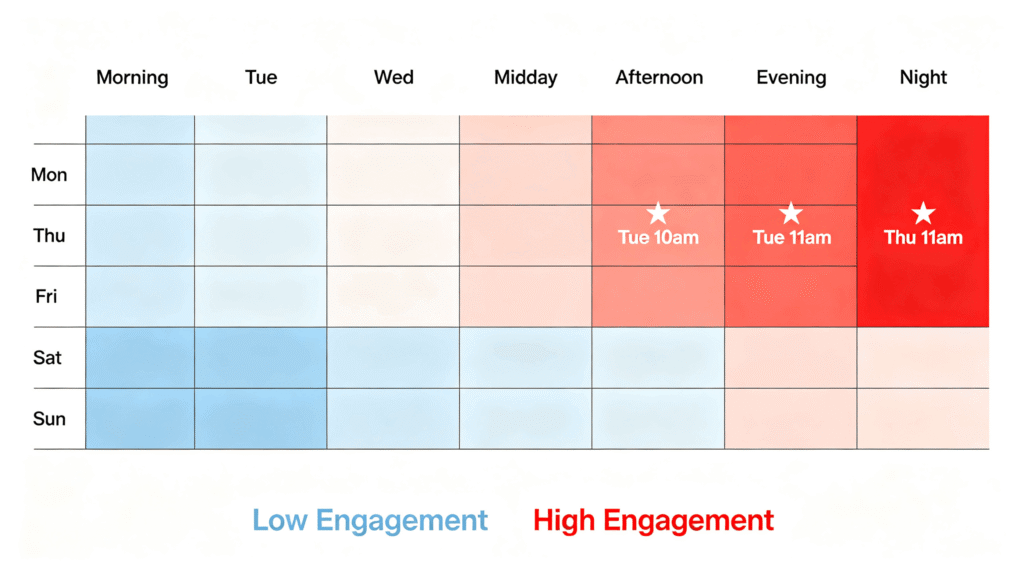
- Best time: Mid-morning (10am) or early afternoon (1-2pm)
- Best day: Tuesday through Thursday
- Avoid Monday mornings (inbox overload) and Friday afternoons (people check out early)
For B2C (Business-to-Consumer):
- Best time: Varies more, but late morning (11am) and early evening (6-8pm) often work
- Best day: Saturday and Sunday see less competition for inbox attention
The Real Secret: A/B Testing
General benchmarks are helpful starting points, but your specific audience might buck the trends. The best day and time to send email marketing is whatever your data says it is.
Test different send times with segments of your list. Run A/B tests consistently. Over time, you’ll discover your audience’s rhythms.
Time Zone Matters
If you have a global audience, segment by time zone. A 10am email for New York subscribers should go at 10am ET, not 10am for everyone at once.
Automation: Your Secret Weapon
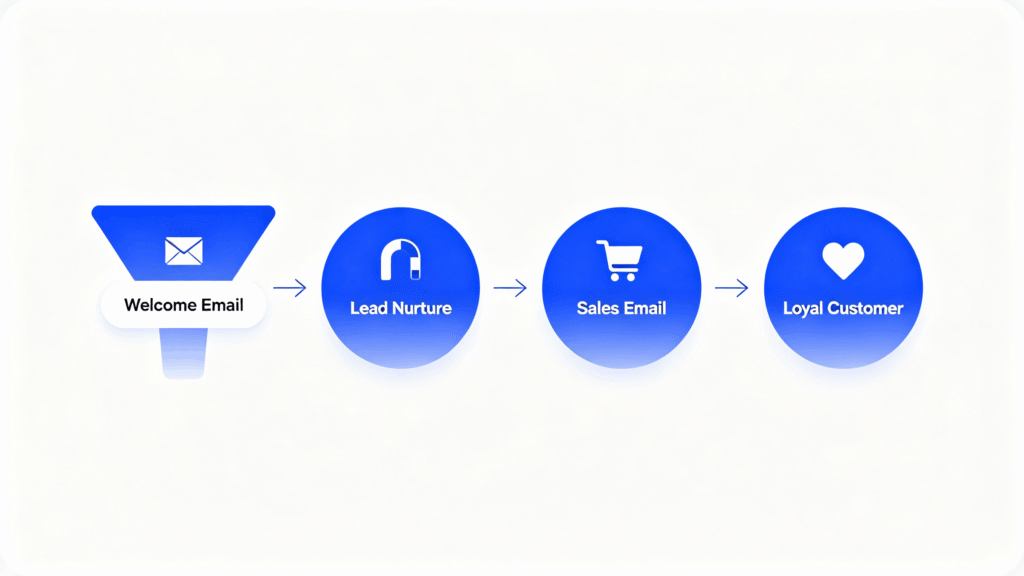
Here’s where email marketing transforms from a time drain into a growth engine. Email automation lets you set up workflows that run on autopilot, triggered by specific subscriber actions.
Think about the emails you receive that feel perfectly timed—like the brand read your mind. That’s automation at work. The best part? Once you set it up, it runs 24/7 without any additional effort from you.
Simple Automation for Beginners
Start with these easy wins and you’ll immediately see the power:
- Welcome automation: Triggered when someone joins your list (set it and forget it)
- Birthday emails: Triggered by subscriber birthday (surprise and delight)
- Cart abandonment: Triggered when someone leaves items in their cart (recover lost revenue)
- Post-purchase follow-ups: Triggered after a sale (increase customer lifetime value)
Advanced Automation for Growth
Once you’re comfortable with basics, level up with sophisticated sequences:
- Segment-based content: Different email paths based on subscriber behavior and interests
- Re-engagement sequences: Automated outreach to dormant subscribers before you clean your list
- Product recommendations: Dynamic content based on purchase history and browsing behavior
- Multi-step nurture sequences: Complex journeys with dozens of touchpoints guiding subscribers toward conversion
- Event-triggered campaigns: Behavior-based messages that respond to specific subscriber actions
The Real ROI of Automation
The beauty of automation? It scales infinitely. A sequence you build once can work for 100 subscribers or 100,000. That’s the leverage that turns email marketing into a true business asset.
Plus, automated emails often outperform manual sends because they’re triggered by subscriber behavior—they arrive at the moment of peak relevance. A welcome email sent immediately outperforms a broadcast sent hours later by a significant margin.
The smart marketers in 2026 aren’t just sending emails. They’re building automated machines that work while they sleep, eat, and focus on other parts of their business.
FAQ Section
What is the best email marketing software for beginners?
For beginners, I’d recommend starting with Kit’s free plan because it’s genuinely generous (1,000 subscribers, unlimited emails), has an intuitive interface, and includes automation features that let you grow into more advanced strategies. MailerLite is another solid beginner option with good onboarding.
How often should I send marketing emails?
Quality beats quantity every time. For most businesses, 1-2 emails per week is a sustainable sweet spot—enough to stay top-of-mind without overwhelming subscribers. During product launches or events, you might temporarily increase frequency. Always watch your unsubscribe rates as a signal; if they’re climbing, you’re emailing too much.
What is a good open rate for email marketing?
Industry average open rates hover around 20-25%, but “good” depends on your industry and list quality. B2B emails typically see 20-30% open rates; B2C can range from 15-25%. If you’re below 15%, your subject lines or sender reputation may need work. Above 30%? You’re doing something right—protect that deliverability.
Can I do email marketing for free?
Absolutely! Many email marketing providers offer free plans with generous limits. Kit lets you send unlimited emails to 1,000 subscribers without paying a cent. MailerLite, Brevo, and others have free tiers too. As your list grows past free limits, you’ll need to invest—but starting is genuinely free.
What is the best day and time to send email marketing?
For B2B audiences, mid-morning Tuesday through Thursday typically performs best. For B2C, Saturday mornings and weekday evenings often see good engagement. But the real answer is: test your specific audience. Your readers have unique habits that general data can only approximate.
Conclusion
Email marketing isn’t the shiny new thing anymore—and that’s exactly why it works so well. While everyone chases the latest social media trend, smart marketers are building email lists that compound in value year after year.
Here’s what you should take away from this guide:
- Start now, not later. Your email list is an asset that grows with every subscriber.
- Use the right tools. The platform matters less than actually using one consistently, but Kit strikes the best balance of power and simplicity for creators.
- Follow best practices. Personalization, segmentation, and automation aren’t optional extras—they’re the baseline for success.
- Test constantly. What works for others may not work for you. Let data guide your strategy.
If you’re ready to build an email marketing machine that works while you sleep, start with a platform that won’t slow you down.
Your future subscribers are out there, waiting for that first email. Make it count.
[…] a number that should wake you up: marketers who segment their lists see 760% higher revenue than those who don’t. And yet, 90% of marketers still don’t segment […]