

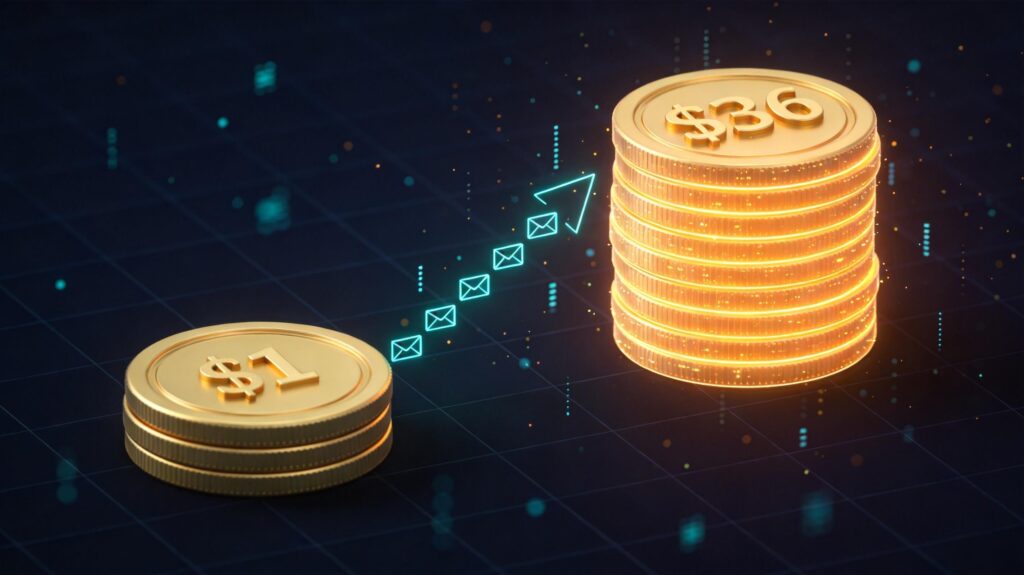
If your email marketing strategy amounts to “hit send and hope for the best,” you’re leaving serious money on the table. For every $1 spent on email marketing, the average return is $36 — a 3,600% ROI that makes most other channels look like pocket change. And in 2026, with AI-powered personalization and smarter automation, the ceiling keeps rising.
But here’s the catch: that ROI doesn’t happen by accident. It happens when you build a real email marketing strategy — not just blast emails into the void and cross your fingers.
Why Your Email Marketing Strategy Needs a 2026 Refresh
The rules have changed. Apple’s Mail Privacy Protection — now adopted by the majority of iPhone users — has made open rates unreliable as a performance metric. AI inbox filters are getting sharper at sorting promotional content into background tabs. And your subscribers? They’re more selective than ever about what earns their attention.
The old playbook of “batch send, hope for the best” is officially expired. What works now is intentional, data-driven, and ruthlessly relevant.
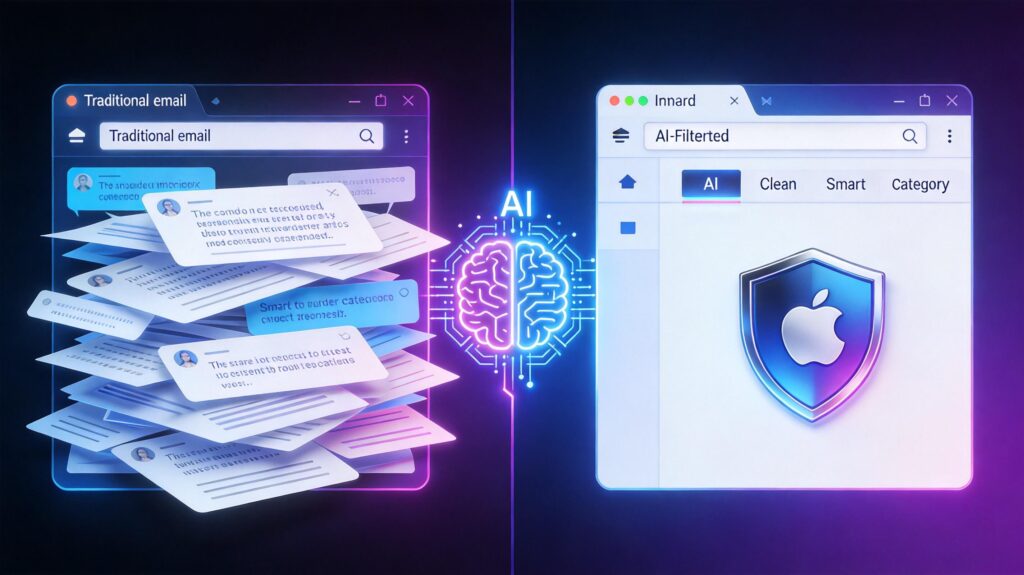
Think of it like a dinner party. You wouldn’t serve the same meal to a vegan, a keto enthusiast, and a picky toddler. Same principle applies to your email list — one-size-fits-all content leaves most of your audience hungry for something else entirely.
The Three Pillars of a Winning Email Marketing Strategy
1. Segment Like You Mean It
Here’s a number that should wake you up: marketers who segment their lists see 760% higher revenue than those who don’t. And yet, 90% of marketers still don’t segment consistently.
Segmentation isn’t complicated. Start with:
- Behavior — what pages they’ve visited, what emails they’ve opened
- Purchase history — what they’ve bought and when
- Stage in the journey — new lead vs. loyal customer
- Firmographics — industry, company size (especially critical for B2B email marketing strategy)
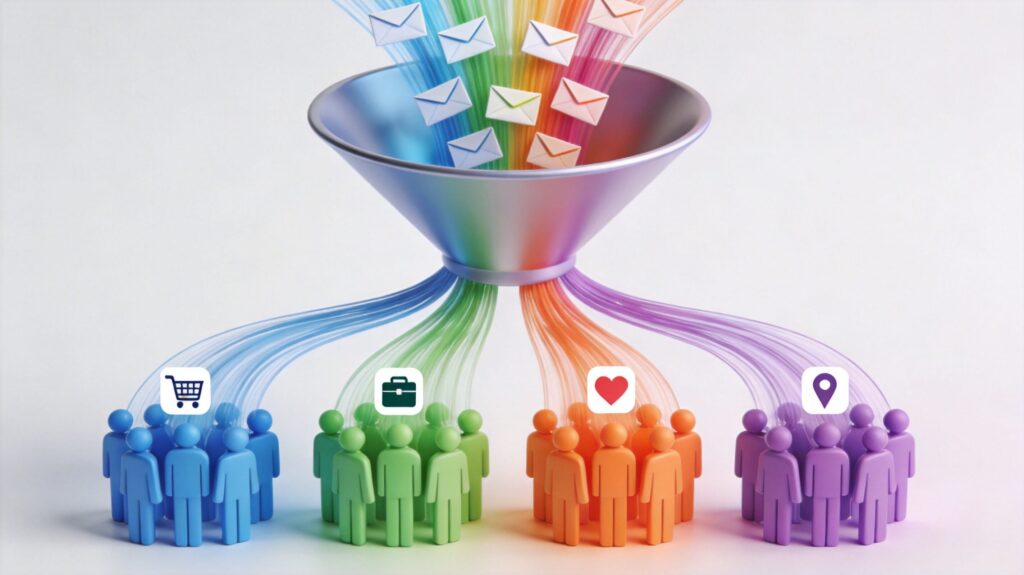
Even simple segmentation beats blasting your entire list. We’ve seen segmented campaigns deliver 2–3x higher click-through rates compared to generic sends. It’s the single highest-leverage move you can make.
2. Personalize Beyond “Hi [First Name]”
Dropping someone’s first name in a subject line is table stakes in 2026. Real personalization means your emails reflect what that person actually cares about.
Amazon gets 35% of its total product sales from personalized recommendations. You don’t need their engineering team to apply the same logic:
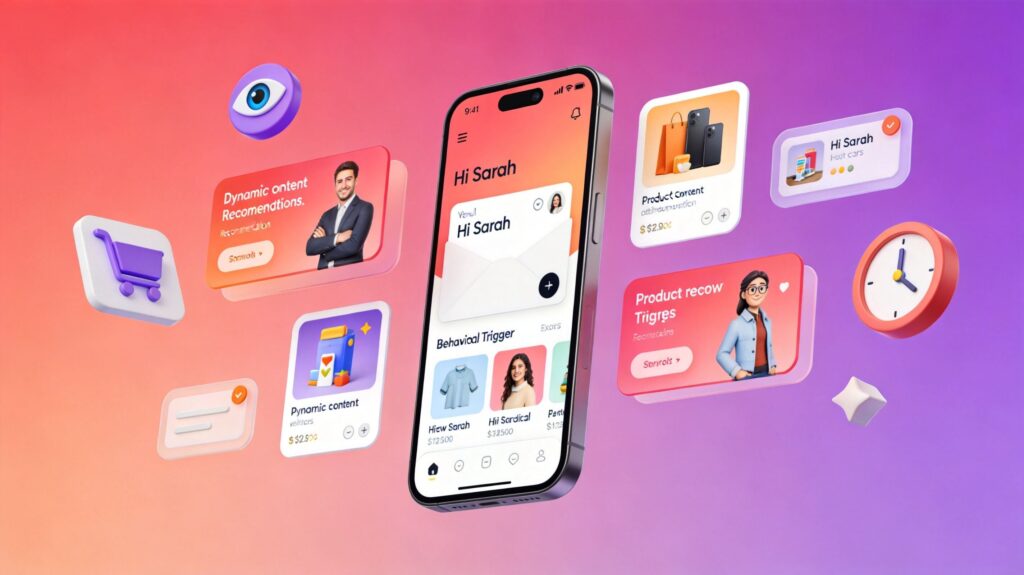
- Use dynamic content blocks that swap based on subscriber data
- Recommend products or content based on browsing and purchase behavior
- Send triggered emails based on real actions — cart abandonment, post-purchase follow-ups, re-engagement for inactive subscribers
Trigger-based emails generate 5x higher open rates and 15x more clicks than standard newsletters. That’s not a subtle difference — that’s a completely different conversation with your audience.
3. Automate the Moments That Matter
Email automation isn’t just about saving time — it’s about striking when interest is at its peak.
Welcome emails can deliver up to 336% higher transaction rates. Abandoned cart emails recover otherwise lost revenue. Post-purchase flows turn one-time buyers into repeat customers.
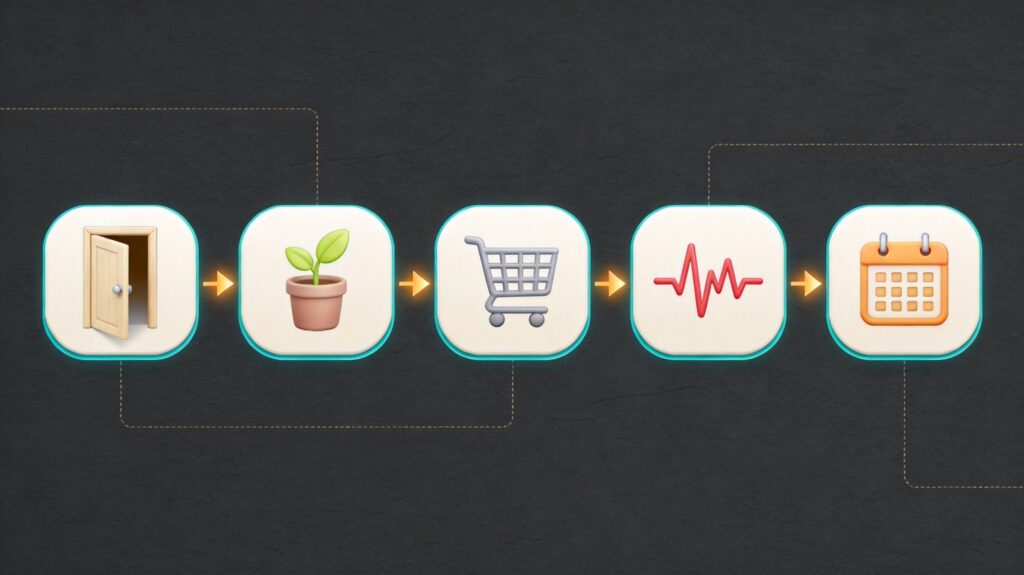
The best automation strategies map directly to your customer journey:
- Welcome series — for new subscribers who just opted in
- Nurture sequences — for leads warming up but not ready to buy
- Cart recovery — for almost-buyers who walked away
- Re-engagement — for subscribers going cold
- Renewal reminders — for subscriptions and contracts approaching their end
Cold Email Marketing Strategies That Don’t Feel Spammy
Let’s address the elephant in the room: cold email still works, but only when it doesn’t feel cold.
In 2026, the best cold email marketing strategies go far beyond LinkedIn connection requests. Here’s what actually gets responses:
- Lead with value — share a relevant insight, data point, or case study before asking for anything
- Keep it short — three to five sentences max in your initial outreach
- Personalize the first line — reference something specific about their company or recent activity
- Follow up strategically — one or two follow-ups, spaced a few days apart, each adding new value
The goal isn’t volume. It’s relevance. One well-researched cold email beats 100 generic blasts any day.
How to Build Your Email Marketing Strategy (Step by Step)
Step 1: Define Clear, Measurable Goals
“Get more engagement” isn’t a goal. “Increase email-driven revenue by 20% this quarter” is. Your goals determine everything — from what you send to how you measure success.
Step 2: Build Your List the Right Way
Never buy email lists. It damages your sender reputation, tanks your deliverability, and can land you in legal trouble under CAN-SPAM and GDPR.
Instead, grow organically:
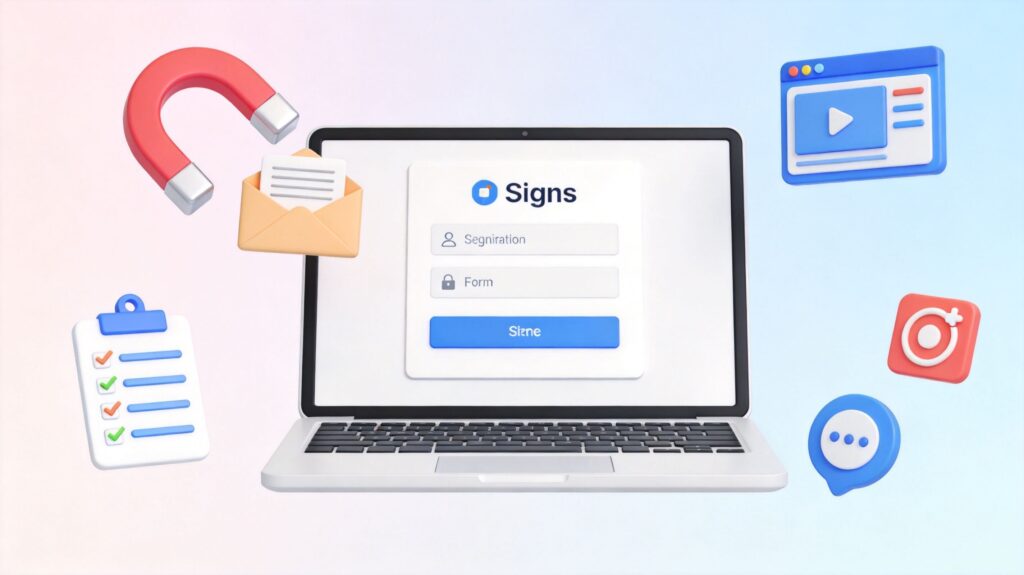
- Add signup forms to your website with clear value propositions
- Use lead magnets — ebooks, checklists, webinars — that solve real problems (this is where email marketing strategies and lead magnets for conversion optimization intersect)
- Promote your list on social media
- Include referral incentives for existing subscribers
Step 3: Design for Mobile First
Nearly half of all marketing emails are opened on mobile. If your email doesn’t look great on a phone, you’ve already lost.
- Use responsive templates
- Keep paragraphs to 2–3 sentences
- Make CTAs big enough for thumbs
- Test across devices before hitting send
Step 4: Test What Matters
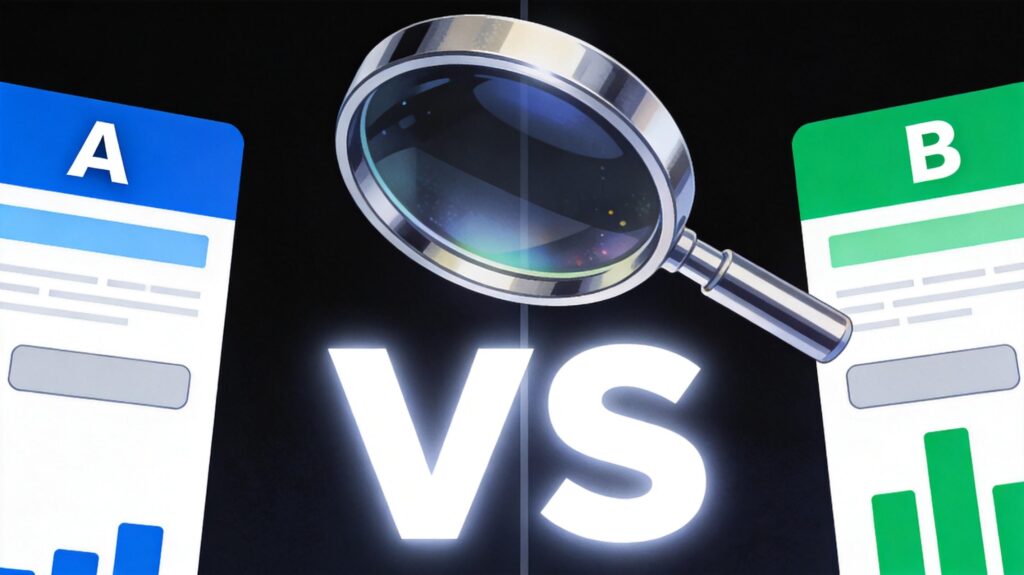
A/B testing is your best friend. Start with subject lines and send times — those are the highest-impact variables. Then expand to CTAs, content length, and design layouts.
One brand increased revenue per recipient by 306% through systematic A/B testing of their email marketing campaign strategy. That’s not luck — that’s process.
Step 5: Track and Optimize
Focus on the metrics that align with your goals:
- Click-through rate — are people engaging with your content?
- Conversion rate — are they taking the action you want?
- Revenue per email — is your strategy actually driving sales?
- List growth rate — are you building a sustainable audience?
Open rates? Take them with a grain of salt in 2026. Apple’s privacy features mean they’re no longer a reliable signal of actual engagement.
Email Marketing Strategy Examples That Work
Looking for proof? Here are three real-world patterns we’ve seen succeed:
- Ecommerce: A fashion retailer uses browse-abandonment emails with personalized product picks → 12% conversion rate on triggered flows
- B2B SaaS: A project management tool sends a 5-email onboarding series with case studies → 3x higher trial-to-paid conversion
- Local business: A bakery segments by neighborhood and sends location-specific promotions → 45% open rate on segmented campaigns

FAQ
What is the best email marketing strategy for beginners?
Start simple: build a welcome series, segment by engagement level, and send consistently. You can add complexity as you learn what your audience responds to. [Affiliate Link]
How often should I send marketing emails?
There’s no universal answer. Start with a frequency you can maintain consistently — once or twice a week — and adjust based on unsubscribe rates and engagement data.
What’s the difference between an email marketing strategy and email campaigns?
Your strategy is the overarching plan (goals, audience, content plan, measurement). Campaigns are the individual emails and sequences that execute that strategy. Think of strategy as the map; campaigns are the car.
How can email marketing fuel my overall inbound strategy?
Email amplifies every other channel. It drives traffic to your blog, promotes your webinars, nurtures leads from social media, and closes deals that start with SEO. It’s the connective tissue of your marketing ecosystem. [Affiliate Link]
What makes a good email marketing strategy template?
A solid template includes your goals, audience segments, content calendar, automation workflows, and KPI tracking — all in one place. It keeps your team aligned and your strategy executable rather than aspirational.
Ready to put these strategies into action? you need to build, automate, and optimize your email marketing — no guesswork required.