

Looking for email marketing examples that actually work? Most of us get dozens of emails every single day, yet some messages still manage to stop us mid-scroll, make us click, and even drive a purchase.
So what’s the difference between those emails and the ones we swipe away without a second glance?
After analyzing hundreds of campaigns and pulling insights from brands like Klaviyo, Twilio SendGrid, and Mailtrap, we found the patterns that actually move the needle. Whether you’re running a Shopify store or managing enterprise outreach, these email marketing examples will give you something concrete to work with.
1. Welcome Emails That Build Community
Your welcome email is your first impression—make it count.
Little Sleepies, a kidswear brand, nails this with a founder-forward message that immediately builds trust. She introduces herself and her kids, showing subscribers she genuinely understands the audience’s struggles. Then she layers in a welcome discount and a link to their VIP community group. The result? Customers feel like they’re joining something, not just buying pajamas.
Another great example comes from Cuyana, an apparel brand that communicates its “less is more” philosophy through minimalist design and numbered emails styled like magazine issues. The approach sets clear expectations and signals quality from day one.
Why this works: Welcome emails have 4x higher open rates than standard promotional emails (Klaviyo, 2025). When you lead with personality and value—not just a discount—subscriber trust compounds over time.
2. Product Education Emails That Sell Without Selling
Nobody wants a hard sell. But everyone appreciates knowing how to get more value from a product they already like.
Fishwife, a tinned seafood company, takes a playful approach by showing 9 different ways to use their anchovy product. The visual education speaks louder than any product description could. When subscribers see themselves actually using the product in real meals, hesitation fades.
Made In, a restaurant-quality cookware brand, flips this strategy with expert-led content. They feature endorsements from renowned chefs and provide step-by-step breakdowns of what you’ll need to cook like a pro. Between the authority and the instruction, customers can picture themselves using the product immediately.
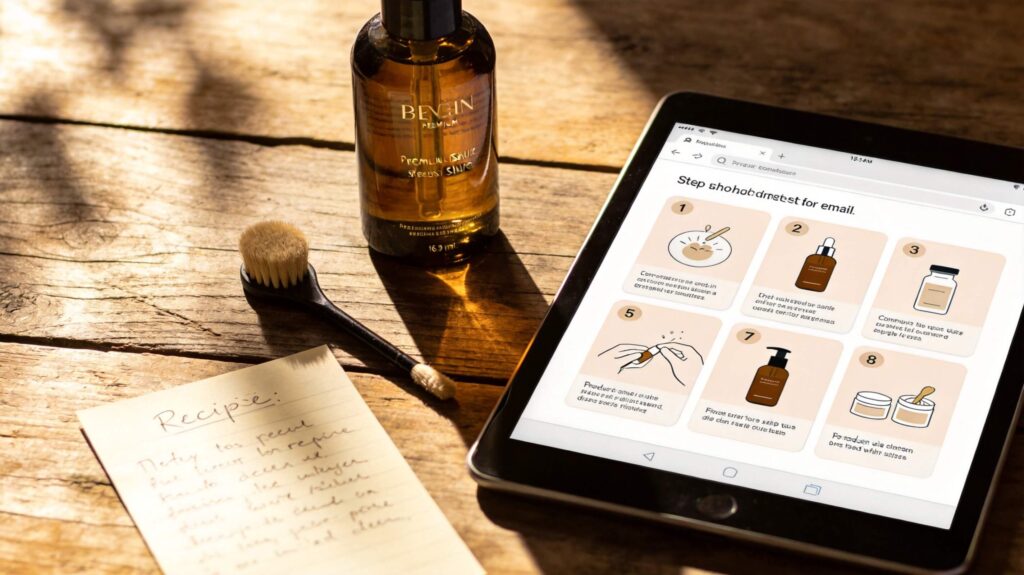
ILIA, a cosmetics brand, sends product tutorial emails right after purchase—removing friction and setting customers up for success before the product even arrives. That kind of care drives repeat purchases.
Key takeaway: Teach first, sell second. When your email makes someone feel more confident, they’re far more likely to buy.
3. Segmented Promotional Emails That Don’t Feel Spammy
Generic promotions feel like noise. Personalized ones feel like a conversation.
Bearpaw uses preference data to send targeted emails about their vegan product line to subscribers who explicitly opted in. Because the message aligns with personal values, the response rate is significantly higher than a blanket campaign.
Manly Bands takes psychographic segmentation to the next level by grouping products into personality types—”The Spy,” “The Commander”—making it effortless for subscribers to find something that matches who they are. In the process, they collect valuable data for future campaigns. It’s a win-win.
Chamberlain Coffee turned a simple flash sale into a game by promoting “random refunds”—5 lucky winners get their entire order refunded. The excitement transforms a routine purchase into something worth acting on immediately.
The data backs this up: According to Mailtrap’s email analysis, segmented campaigns outperform non-segmented campaigns by nearly 5x in revenue per email sent.

4. Post-Purchase Emails That Drive Lifetime Value
Your relationship with a customer doesn’t end at checkout. The best brands know this and use post-purchase emails to deepen loyalty.
Brightland, an olive oil brand, sends a warm founder thank-you after every order. The personal touch makes customers feel valued and reinforces why they chose a premium brand in the first place.
Esmi, a skincare company, uses mini case studies—real customer transformation stories with photos, quotes, and a product catalog—to redirect subscribers to relevant products. Showing results, not just features, is one of the most persuasive things you can do in email.
5. Seasonal and Timing-Based Emails
Timing is everything—and not just in life.
Garrett Popcorn sends strategic emails on Friday afternoons, catching subscribers at the exact moment they’re deciding on weekend plans. Their “No Plans, Just Snacks” message makes staying in and snacking feel like the obvious choice.
Grind Coffee used the switch to daylight saving time to point out that subscribers now have more daylight—and therefore more time for coffee. The witty, well-timed touch made the email memorable without being pushy.
PrettyLitter, a cat litter brand, built a layered Halloween email that combined social proof, product benefits, a promo code, and a free bonus. When you stack multiple conversion elements together, the offer becomes harder to ignore.
Pro tip from Twilio SendGrid’s research: Emails sent on Tuesdays and Thursdays between 10 AM–2 PM local time consistently outperform other windows for B2C campaigns. For B2B, Tuesday mornings lead.
6. B2B Email Marketing Examples Worth Studying
B2B doesn’t have to mean boring.
Medium’s Daily Digest personalizes every email based on the topics users selected during sign-up. As consumption grows, the personalization sharpens—turning a generic digest into something readers genuinely look forward to each morning.
The Hustle, a business newsletter, constantly A/B tests subject lines with wildly different tones—one safe, one creative and funny. By testing the extremes, they learn exactly what resonates with their audience and refine their approach continuously.
Mint, a personal finance app, uses a clean, education-first email design that tackles credit myths with bold headlines and digestible content. The value-forward approach reminds subscribers why they signed up in the first place, keeping churn low.

Key Takeaways from These Email Marketing Examples
Here’s what the best campaigns have in common:
- Personalization at scale. The brands that win aren’t just slapping a first name in the subject line. They’re using behavioral data, purchase history, and preference signals to send messages that feel individually crafted.
- Timing matters. Well-timed emails—sent when subscribers are actually making decisions—outperform batch-and-blast campaigns by a wide margin.
- Education beats promotion. Emails that teach something, solve a problem, or spark an idea earn trust. Trust earns clicks.
- Segmentation is non-negotiable. Klaviyo’s 2025 benchmarks show the top 10% of email senders convert 5x more subscribers and drive 9x more revenue per recipient. The difference? Targeted, relevant content instead of one-size-fits-all broadcasts.
- Clear calls-to-action. Every great email in our examples had a single, obvious next step. Don’t make subscribers guess what you want them to do.
FAQ: Email Marketing Examples
What makes an email marketing campaign successful?
The most successful email marketing campaigns share three traits: they arrive at the right time, deliver relevant content based on subscriber data, and make the next step crystal clear. Generic broadcasts almost always underperform segmented, behavior-triggered emails.
How many email marketing examples should I study before launching a campaign?
Focus on 5–10 high-quality examples in your specific niche rather than trying to absorb everything. Look for campaigns from brands with a similar audience size and business model to yours. You’ll find patterns more useful than individual tactics.
What are the best types of emails for driving sales?
Welcome emails, cart abandonment sequences, and post-purchase cross-sell emails consistently show the highest conversion rates across industries. For B2B, educational newsletters and personalized account updates tend to perform best.
How often should I send marketing emails?
Most successful brands send 2–4 emails per month for newsletters, with automated sequences running independently based on subscriber actions. Quality and relevance always matter more than frequency.
Do I need an email marketing platform to implement these strategies?
Yes—and it makes a significant difference. Platforms like Klaviyo, Mailchimp, and ActiveCampaign provide the segmentation, automation, and A/B testing tools that make these email marketing examples possible. Many offer free plans to get started.
One thing the article doesn’t mention is using search intent signals from organic traffic to supercharge segmentation. Visitors on ‘how-to’ posts have different needs than those on pricing pages. We feed that data into our email platform to trigger relevant follow-ups, and we documented that approach on our site.